
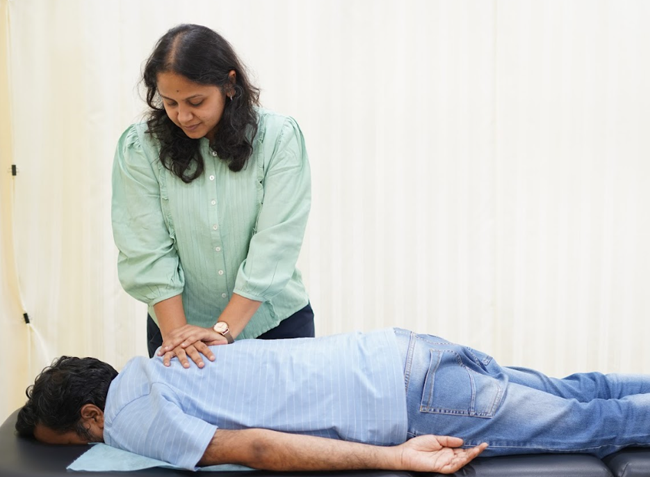
Lower back pain is no longer a problem limited to older adults. Today, office workers, business professionals, homemakers, gym-goers, students, and even young adults frequently experience persistent lower back pain. In cities like Vashi and Navi Mumbai, long commuting hours, sedentary office work, and screen-heavy lifestyles significantly contribute to spine-related problems. If your back pain keeps returning or affecting your daily routine, it may be time to consult an experienced physiotherapist.
Why Lower Back Pain Is Increasing Rapidly
Lower back pain has become one of the most common lifestyle-related health concerns across India. Many people ignore early symptoms until the pain starts interfering with everyday activities. Common contributing factors include:
Common Symptoms You Should Not Ignore
Many patients delay treatment assuming the pain will resolve on its own. However, persistent symptoms often indicate underlying muscular imbalance, spinal dysfunction, posture-related stress, or nerve involvement. Consider visiting a physiotherapist if you experience any of the following:
Important: Ignoring these symptoms may worsen the condition over time. Early physiotherapy intervention can often prevent chronic pain, reduce recurring episodes, and help avoid unnecessary medications or surgery.
When Should You Visit a Physiotherapist?
Many people wait until pain becomes severe before seeking help. Here are the key situations where early physiotherapy intervention makes the biggest difference:
If simple activities like sitting, walking, climbing stairs, driving, or sleeping become uncomfortable, a professional assessment is important to identify the root cause and begin appropriate treatment.
Recurring pain usually indicates unresolved biomechanical issues, weak stabilising muscles, posture problems, or movement dysfunction that needs targeted rehabilitation to fully resolve.
Office professionals and IT employees commonly develop lower back pain due to poor ergonomic setup. At Physio Matters, ergonomic consultation and posture correction strategies are tailored to each patient's work lifestyle.
Pain travelling from the lower back to the buttocks or legs may indicate nerve irritation or compression. Early physiotherapy can effectively reduce nerve-related symptoms before they progress further.
Postoperative rehabilitation plays a major role in restoring mobility, strength, and confidence after injuries or surgeries. Structured rehabilitation accelerates recovery and reduces the risk of reinjury.
How Physiotherapy Helps Lower Back Pain
Physiotherapy does not only focus on temporary pain relief. The goal is to identify the root cause and improve long-term spinal health, posture, movement, flexibility, and strength. At Physio Matters, treatment is personalised based on a detailed clinical assessment.
Treatment Approaches
The focus is not only on reducing pain but helping patients safely return to work, sports, exercise, and an active daily lifestyle — with long-term spinal health as the priority.
Conditions Commonly Associated With Lower Back Pain
Lower back pain may arise from several distinct conditions. A proper clinical evaluation is essential to identify the actual cause and design the most effective rehabilitation program.
Not all lower back pain cases are the same. Generic exercises from social media may not address the root problem and can sometimes worsen symptoms. Choosing an experienced physiotherapist ensures accurate diagnosis, individualised rehabilitation, and safe recovery progression.
Why Patients in Vashi Choose Physio Matters Clinic
Dr. Ruchita Parikh — BPTh, MPTh (Gold Medalist, KEM Hospital) — is a Musculoskeletal & Sports Physiotherapist with 14+ years of experience and international practice licensing in India, USA, and Australia. Patients benefit from:
Tips to Prevent Lower Back Pain
Simple daily habits can significantly reduce the risk of developing chronic lower back pain. Prevention is always more effective than treatment.
Avoid slouching and use proper lumbar support when sitting for extended periods at work or home.
Avoid sitting continuously. Stand, walk, and stretch at least once every 45–60 minutes.
Regular core strengthening improves spinal stability and reduces load on the lower back structures.
Avoid bending from the waist while lifting heavy items. Always squat down and use your legs and core.
Correct desk setup with the right screen height, chair position, and keyboard placement reduces spinal strain significantly.
Walking, mobility exercises, and regular strengthening help maintain spine health and prevent deconditioning.
Frequently Asked Questions
Ready to Address Your Lower Back Pain?
Early intervention prevents chronic problems and significantly improves recovery outcomes. Book a personalised consultation with Dr. Ruchita Parikh today.
Book a Consultation